

BIOGRAPHY
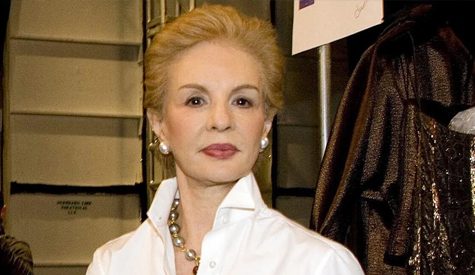
Carolina Herrera, a name synonymous with timeless elegance, sophistication, and luxury, has been a dominant force in the fashion industry for over four decades. Born María Carolina Josefina Pacanins y Niño on January 8, 1939, in Caracas, Venezuela, Herrera has become a global fashion icon, renowned for her impeccable taste, refined designs, and unwavering commitment to classic beauty. Her journey from a privileged upbringing in Venezuela to the pinnacle of the fashion world is a testament to her talent, vision, and relentless pursuit of excellence.
This biography delves into the multifaceted life of Carolina Herrera, exploring her professional achievements, personal life, and the reasons behind her enduring status as a fashion icon. Through various perspectives, we will uncover the essence of Herrera’s influence on the fashion industry and her legacy as a designer who has dressed some of the most influential women in the world.
Carolina Herrera was born into an aristocratic Venezuelan family, the daughter of Guillermo Pacanins Acevedo, an air force officer and former governor of Caracas, and María Cristina Niño Passios. Her family’s social status afforded her a life of privilege, exposing her to the world of high fashion and luxury from an early age. Herrera’s grandmother, who was a significant influence in her life, introduced her to the world of European fashion, taking her on trips to Paris and instilling in her a deep appreciation for couture.
Herrera’s early exposure to fashion was not limited to her family’s influence. She grew up in a culturally rich environment, surrounded by art, music, and literature. These experiences shaped her aesthetic sensibilities and laid the foundation for her future career in fashion. Herrera’s love for fashion was evident from a young age, and she often reminisces about how she would sketch dresses and imagine herself as a designer.
In 1957, at the age of 18, Carolina Herrera married Guillermo Behrens Tello, a Venezuelan landowner. The couple had two daughters, Mercedes and Ana Luisa, before divorcing in 1964. Herrera’s second marriage to Reinaldo Herrera Guevara in 1968 marked a new chapter in her life. Reinaldo, a Venezuelan aristocrat and editor of the magazine *Vanity Fair*, brought Herrera into the world of international high society. The couple had two daughters, Carolina Adriana and Patricia Cristina, and their marriage has been an enduring partnership, both personally and professionally.
Herrera’s family life has been a source of inspiration and stability throughout her career. Her daughters have often been her muses, and her close-knit family has provided her with the support and encouragement needed to navigate the demanding world of fashion. Despite her global success, Herrera has always prioritized her family, balancing her professional ambitions with her role as a wife and mother.
Carolina Herrera’s entry into the fashion world was not a conventional one. Unlike many designers who attend fashion schools or apprentice under established designers, Herrera’s journey was more organic. Her innate sense of style and her connections in the world of high society naturally led her to fashion. In the 1970s, Herrera began working as a publicist for Emilio Pucci, the Italian fashion house known for its vibrant prints and luxurious fabrics. This experience gave her a behind-the-scenes look at the fashion industry and solidified her desire to become a designer.
Herrera’s big break came in 1980 when she was introduced to Diana Vreeland, the legendary editor-in-chief of *Vogue*. Vreeland, known for her keen eye for talent, recognized Herrera’s potential and encouraged her to pursue a career in fashion. With Vreeland’s support, Herrera launched her eponymous fashion label in 1981, presenting her first collection at the Metropolitan Club in New York City. The collection was an instant success, earning Herrera critical acclaim and establishing her as a rising star in the fashion world.
From the outset, Carolina Herrera’s designs were characterized by their timeless elegance, refined silhouettes, and luxurious fabrics. Herrera’s aesthetic is deeply rooted in her belief that fashion should enhance a woman’s natural beauty, rather than overshadow it. Her designs often feature clean lines, sophisticated tailoring, and a sense of understated glamour. Herrera’s ability to balance tradition with modernity has made her a favorite among women of all ages, from young socialites to established icons.
One of Herrera’s most iconic designs is the “white shirt dress,” a piece that epitomizes her philosophy of simplicity and elegance. The dress, which features a crisp white shirt paired with a full skirt, has become a staple in the wardrobes of many women, including former First Lady Jacqueline Kennedy Onassis, who was a close friend and early supporter of Herrera. The white shirt dress is a testament to Herrera’s ability to create timeless pieces that transcend trends and remain relevant season after season.
Over the years, the Carolina Herrera brand has expanded to include a wide range of products, from ready-to-wear and bridal collections to fragrances, accessories, and home goods. Herrera’s fragrances, in particular, have been a major success, with scents like “Carolina Herrera” and “Good Girl” becoming bestsellers worldwide. Herrera’s ability to translate her design aesthetic into other product categories has solidified her brand’s position as a global luxury powerhouse.
Carolina Herrera’s clientele reads like a who’s who of the world’s most influential women. From First Ladies to Hollywood stars, Herrera has dressed some of the most iconic figures of our time. Herrera’s relationship with Jacqueline Kennedy Onassis was particularly significant, as it helped establish her reputation as a designer who could cater to the tastes of the most discerning women. Onassis, known for her impeccable style, was a frequent wearer of Herrera’s designs, and her endorsement was a major boost to Herrera’s career.
Herrera’s designs have also been worn by other First Ladies, including Michelle Obama, Laura Bush, and Melania Trump. Herrera’s ability to create elegant, sophisticated looks that resonate with women in positions of power has made her a go-to designer for political figures. Herrera’s designs are often chosen for their ability to convey strength, confidence, and grace, qualities that are essential for women in the public eye.
In addition to political figures, Herrera has dressed countless celebrities, including Renée Zellweger, Sarah Jessica Parker, and Karlie Kloss. Herrera’s designs have graced the red carpet at major events like the Oscars, the Golden Globes, and the Met Gala, cementing her status as a designer who can create show-stopping looks that capture the attention of the world.
Carolina Herrera’s success as a designer is not just a result of her creative talent; it is also a testament to her business acumen. From the beginning, Herrera understood the importance of building a strong brand and creating a business that could sustain itself in the competitive world of fashion. Herrera’s ability to balance her creative vision with the practicalities of running a business has been key to her longevity in the industry.
In 1988, Herrera launched her first fragrance, “Carolina Herrera,” which was an instant success. The fragrance, with its floral and woody notes, captured the essence of Herrera’s design aesthetic and became a bestseller. The success of her fragrance line paved the way for the expansion of her brand into other product categories, including accessories, eyewear, and home goods. Herrera’s ability to create a cohesive brand identity across different product categories has been a major factor in her brand’s success.
Herrera’s business savvy is also evident in her approach to retail. In 2000, she opened her first flagship store on Madison Avenue in New York City, a location that has become synonymous with luxury and sophistication. The store, with its elegant interiors and curated selection of products, reflects Herrera’s commitment to creating a unique shopping experience for her customers. Today, the Carolina Herrera brand has a global presence, with stores in major cities around the world, including Paris, London, and Tokyo.
Carolina Herrera’s creative process is deeply personal and reflective of her unique perspective on fashion. Herrera draws inspiration from a wide range of sources, including art, architecture, and nature. Herrera’s love of art is evident in her designs, which often feature bold colors, intricate patterns, and unexpected details. Herrera’s ability to translate her inspiration into wearable art is one of the hallmarks of her design philosophy.
Herrera’s approach to design is also characterized by her commitment to innovation. While her designs are rooted in tradition, Herrera is not afraid to experiment with new materials, techniques, and silhouettes. Herrera’s willingness to push the boundaries of fashion while staying true to her aesthetic has kept her brand relevant in an ever-changing industry.
One of Herrera’s most innovative creations is the “Carolina Herrera Good Girl” fragrance, which was launched in 2016. The fragrance, which comes in a distinctive stiletto-shaped bottle, is a bold departure from traditional fragrance packaging. The “Good Girl” fragrance, with its contrasting notes of jasmine and tonka bean, captures the duality of modern women, who are both strong and sensual. The success of the “Good Girl” fragrance is a testament to Herrera’s ability to create products that resonate with contemporary consumers while staying true to her brand’s identity.
Carolina Herrera’s influence extends beyond the world of fashion. Throughout her career, Herrera has been committed to using her platform to make a positive impact on society. Herrera is a passionate advocate for education and the arts, and she has supported numerous charitable organizations and initiatives over the years.
One of Herrera’s most significant philanthropic efforts is her work with the Metropolitan Museum of Art’s Costume Institute in New York City. Herrera has been a longtime supporter of the Costume Institute, which is dedicated to the preservation and study of fashion history. Herrera’s contributions to the Costume Institute have helped fund exhibitions, acquisitions, and educational programs, ensuring that future generations can appreciate the artistry and craftsmanship of fashion.
Herrera is also a strong supporter of education, particularly for women and girls. She has worked with organizations like the American Heart Association and the New York City Ballet to raise funds for scholarships and educational programs. Herrera believes that education is the key to empowering women and creating a more equitable society, and she has used her influence to advocate for greater access to education for all.
In addition to her philanthropic work, Herrera is committed to social responsibility in her business practices. The Carolina Herrera brand is dedicated to sustainability and ethical production, and Herrera has implemented initiatives to reduce the environmental impact of her products. Herrera’s commitment to social responsibility is a reflection of her belief that fashion should not only be beautiful but also responsible.
Carolina Herrera’s impact on the fashion industry is immeasurable. Over the course of her career, Herrera has redefined what it means to be a fashion icon, creating a brand that is synonymous with elegance, sophistication, and timeless beauty. Herrera’s ability to balance tradition with innovation, and her commitment to creating designs that enhance a woman’s natural beauty, have made her a favorite among women of all ages and backgrounds.
Herrera’s influence extends beyond her designs. As a businesswoman, philanthropist, and advocate for social responsibility, Herrera has set an example for others in the fashion industry. Herrera’s commitment to using her platform to make a positive impact on society is a testament to her character and her belief in the power of fashion to inspire and empower.
As Herrera continues to shape the future of fashion, her legacy as a designer, businesswoman, and philanthropist will endure. Carolina Herrera is not just a fashion icon; she is a symbol of timeless elegance, grace, and strength. Herrera’s journey from a young girl in Venezuela to a global fashion powerhouse is a story of passion, perseverance, and the pursuit of excellence. It is a story that will continue to inspire generations to come.
Carolina Herrera’s life and career are a testament to the power of vision, talent, and determination. From her early days in Venezuela to her rise as a global fashion icon, Herrera has remained true to her values and her commitment to creating designs that celebrate the beauty and strength of women. Herrera’s influence on the fashion industry is undeniable, and her legacy as a designer, businesswoman, and philanthropist will continue to inspire and empower for years to come.
Carolina Herrera is more than just a designer; she is a symbol of timeless elegance and a beacon of inspiration for women around the world. Herrera’s journey is a reminder that with passion, perseverance, and a commitment to excellence, anything is possible. As we look to the future, we can be certain that Carolina Herrera’s legacy will continue to shine brightly, illuminating the path for the next generation of fashion icons.